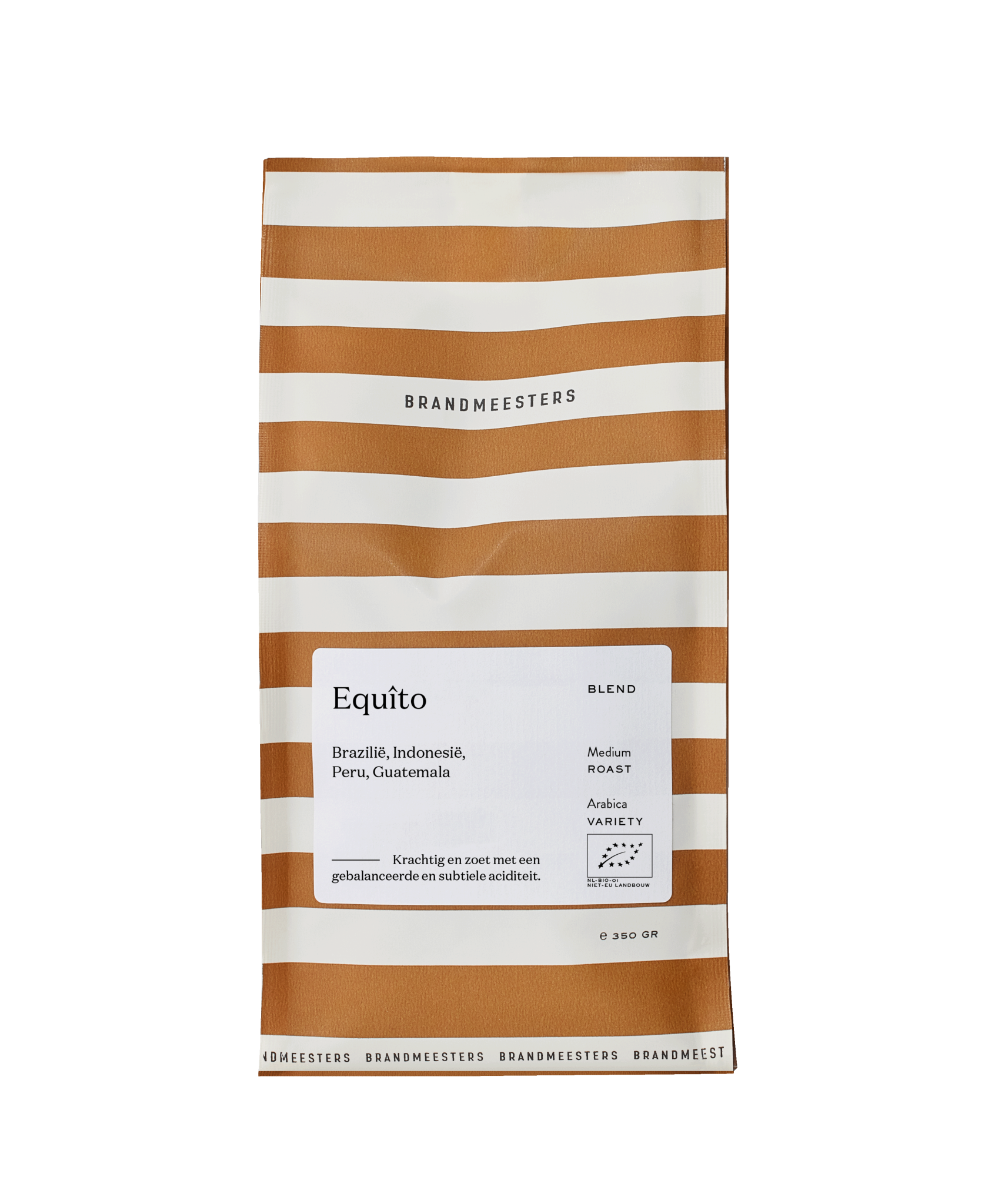
About this coffee
ORIGIN
Peru – Canaris
div:has([data-free-thinking-preview-answer=true])+:is(.text-message,.relative:has(>.text-message))]:-mt-2 grow"> When people think of Lambayeque, they often picture the coast of Peru rather than the mountains. However, Cañaris is a secluded Quechua-speaking community located in the Andes, far from the coast in Peru. Coffee is relatively new to this area. Local families introduced coffee cultivation after working on coffee plantations elsewhere in Peru and bringing their knowledge and cherry samples back home.
This community lot is the result of the work of six neighboring producers from Saucepampa, who cultivate coffee beans at elevations between 1700 and 2000 meters above sea level. Their small family farms are planted with Bourbon, Caturra, and Catimor, benefiting from the cool climate in the mountains. This allows the coffee cherries to ripen slowly and develop noticeable complexity.
After harvest, the coffee undergoes a carefully controlled washed process. This begins with the fermentation of the whole coffee cherry, followed by another 48 hours of fermentation after the cherries have loosened. Then the coffee is dried for 8 to 10 days in direct sunlight.
We do this coffee!
The perfect espresso recipe is dependent on many factors: the machine, grind, water, filter basket, coffee beans, etc. In our bar in The Hague, we usually start with this recipe:
19 grams of coffee for an output of 45 grams of espresso (doubleshot).
We start with a run time of 25 seconds.